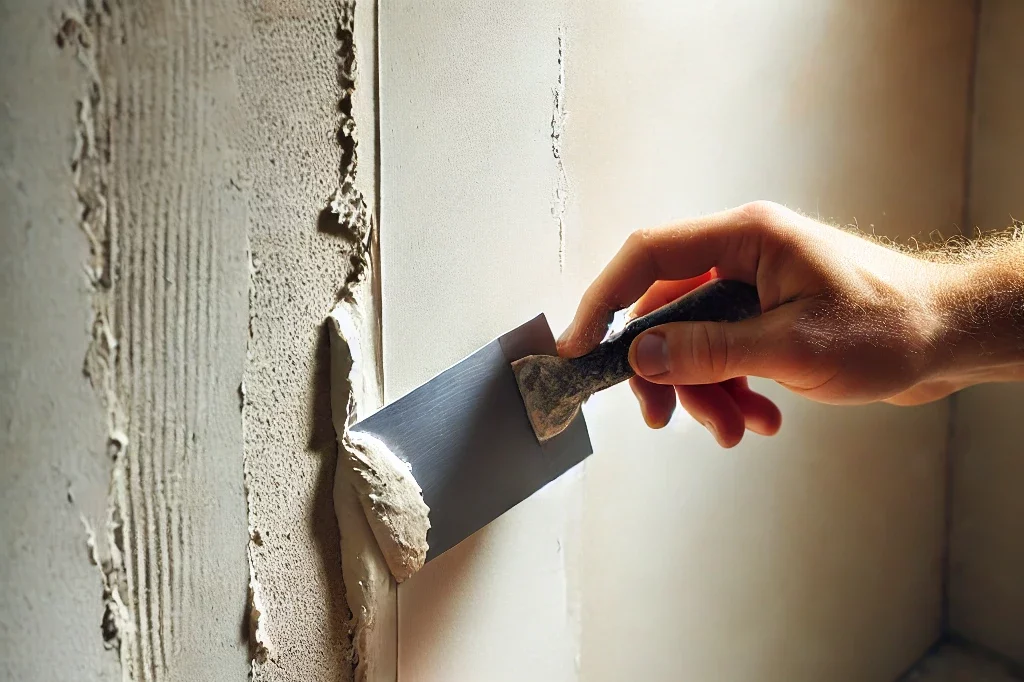
Residential Drywall & Stucco Services in Calgary
Residential Drywall & Stucco Services in Calgary
Every Calgary home takes a beating. Doorknobs punch through walls when someone’s in a rush. Kids launch toys at full speed. Furniture gets moved and leaves behind a hole nobody noticed for six months. Then there’s the stuff you can’t control — settling foundations, temperature swings that crack joints, and the occasional burst pipe that turns a ceiling into a soggy mess.
Drywall damage is one of those things homeowners live with way longer than they should. That crack in the hallway? It’s been there since last winter. The nail pops in the stairwell? You stopped seeing them months ago. But here’s the thing — most drywall repairs are faster and cheaper than people expect. And leaving them only makes the job bigger down the road.
At RC Stucco and Drywall, we’ve repaired thousands of walls and ceilings across Calgary. From a single doorknob hole in a Brentwood bungalow to full-room water damage repair in a Seton basement, we’ve seen it all.
Holes. This is the big one. Doorknob holes are probably 40% of our repair calls. Then there’s furniture damage — bed frames, chair backs, shelving units that pulled away from the wall. And kids. We don’t judge. We’ve patched holes from hockey sticks, toy trucks, and one memorable incident involving a pogo stick indoors.
Cracks. Calgary homes crack. It’s just what happens when you go from -30°C in January to +25°C in June. That kind of temperature swing makes framing lumber expand and contract, and drywall joints take the stress. You’ll see cracks running along seams, above doorframes, and at the corners where walls meet ceilings. Foundation settling causes them too, especially in newer builds.
Water damage. Leaking pipes, ice dams, sump pump failures, condensation buildup in bathrooms with bad ventilation. Water-damaged drywall gets soft, swells, and eventually crumbles. The paper face delaminates. If it’s been wet long enough, you’re looking at mold behind the wall. We deal with the drywall side of water damage — cut out what’s ruined, dry the framing, and install new board.
Nail pops. Those little circles on your wall or ceiling where a nail head pushes through the surface? That’s framing lumber shrinking as it dries. Common in homes less than five years old, but it happens in older homes too. Easy fix — we drive a screw beside the popped nail, pull the nail, patch both spots.
Tape failure and corner bead damage. Drywall tape lifts when there wasn’t enough mud behind it during the original install, or when moisture gets under it. Corner bead gets dented from vacuums, moving furniture, or just daily traffic in tight hallways. Both are straightforward repairs, but they need to be done right or they’ll fail again.
We start by looking at the damage. Not just what’s visible — we check what’s behind it. A small crack might be cosmetic, or it might mean the stud behind it has shifted. A water stain on the ceiling could be a one-time leak or an ongoing problem. We need to know before we start cutting.
Then we figure out the right approach. Small holes — anything under about 4 inches — get a patch plate and mud. Larger holes need a proper drywall patch cut to fit. If there’s structural damage to the framing or extensive water damage, we’ll recommend replacing a full sheet or section rather than trying to patch something that won’t hold.
Prep matters more than people think. We protect your floors and furniture, cut back damaged material to solid drywall, and make sure the surface is clean and stable before we start applying compound.
The repair itself is the straightforward part. Patch, tape, mud. Usually two to three coats of joint compound with sanding between each one. Rushing this step is how you end up with visible patches.
Then comes the part most guys skip or get wrong — texture matching. Your existing walls have a texture, whether it’s a smooth finish, orange peel, knockdown, or a heavy splatter coat. If we don’t match it, the repair sticks out. We carry the equipment to replicate most standard textures on-site. For more detailed work on matching your existing finish, take a look at our texturing and finishing services.
We prime the repair and leave it ready for paint. If you want us to paint it too, we can — but most homeowners handle that part themselves or have their painter deal with it.
Not every damaged wall needs new drywall. But not every wall should be patched, either. Here’s how we think about it:
Patch it when:
Replace the section when:
If the damage is extensive enough that you’re looking at replacing full walls or ceilings, that crosses into drywall installation territory. Same crew, same quality — just a bigger scope of work.
Calgary’s climate is hard on drywall. The dry winter air — we’re talking single-digit humidity inside some homes from November through March — shrinks wood framing and opens up joint cracks. You’ll notice them most in January and February. Some close back up in summer. Some don’t.
Spring is when water damage calls spike. The 2013 flood hit Sunnyside, Bowness, Elbow Park, and Mission hard, and those neighbourhoods still deal with below-grade moisture issues. Even without a major flood, spring snowmelt and heavy rain push water into basements through foundation cracks. If your basement drywall has tide marks or bubbling paint near the floor, you’ve got water getting in.
Older homes in neighbourhoods like Inglewood, Ramsay, Bridgeland, and Crescent Heights have their own issues. Decades of settling means cracks around windows and doors that come back no matter how many times they’re filled. Sometimes the right answer is to re-tape the joints with fibreglass mesh tape, which flexes with movement better than paper tape. Our taping and mudding team deals with this regularly.
New builds are the other end of the spectrum. If you bought in Cornerstone, Livingston, Seton, or any of the new communities, expect nail pops and hairline cracks in the first one to two years. This is normal. The lumber in your framing was likely kiln-dried but still had moisture in it. As it acclimates over two Calgary winters, it shrinks. Most builders include a one-year warranty that covers drywall cracks — use it. After that, call us.
It depends on the scope. A single doorknob hole runs $100–$175 including texture matching. Multiple repairs on the same visit bring the per-repair cost down. Larger jobs — water damage, ceiling repairs, full-section replacements — we quote after seeing the damage in person. We don’t charge for estimates.
A small patch takes about an hour on-site, but the mud needs to dry between coats. For most repairs, we’re looking at two visits — one to patch and apply the first coats, and one to sand, apply the final coat, texture match, and prime. Total time in your home is usually two to three hours spread across those visits. Larger repairs take longer, but we’ll give you a timeline upfront.
Yes, and this is where a lot of handyman repairs fall short. We carry hopper guns, rollers, and brushes to match orange peel, knockdown, smooth, and splatter textures. If your home has a skip trowel or custom finish, we’ll do a test patch first to dial in the pattern before applying it to the full repair. The goal is invisible — you shouldn’t be able to find the patch once it’s painted.
Hairline cracks in the first two years are normal settling — especially along seams above doors and where walls meet ceilings. They’re cosmetic and easy to fix. But if a crack is wider than 1/4 inch, runs diagonally through the drywall sheet (not along a seam), or you notice doors sticking or floors sloping, that could indicate a structural issue. Get it checked before you just patch over it. We’ll tell you honestly whether it’s a drywall fix or something that needs an engineer’s eye first.
Living with damaged walls is one of those things that’s easy to put off. But every crack gets a little wider. Every hole collects a little more dust. And water damage only gets worse.
Give us a call at (403) 969-0155 for a free estimate. We’ll come take a look, tell you exactly what needs to happen, and get it fixed. No pressure, no upselling — just honest repair work from a Calgary crew that does this every day.